unit 1: mccarthy’s The road
meeting 13: the end of the road
We’ll begin today with the vocabulary and sentence composition quiz. I’ll then set the next list of words and sentence type to learn.
We’ll finish our study of The Road with a discussion of the book’s final pages and of the novel as a whole:
What makes the final pages so emotional? There are obvious points to be made here, but I think there are probably some not-so-obvious ones.
Cormac McCarthy has an unmistakable prose style. What do you see as the most distinctive features of that style?
The Road takes the form of a classic journey story, a form that dates back to Homer’s Odyssey. To what destination are the man and the boy journeying?
Why do you think McCarthy ends the novel with the image of trout in mountain streams before the end of the world: "In the deep glens where they lived all things were older than man and they hummed of mystery" [p. 287]. What is surprising about this ending? Does it provide closure, or does it prompt a rethinking of all that has come before? What does it suggest about what lies ahead? It’s one of my favorite paragraphs in any book I’ve read.
Homework:
Bring to our next class your copy of Moby-Dick. There’s no need to do anything with it. Simply bring it to class.
Please use the asynchronous day to prepare your third vocabulary list.
meeting 12: the road, pages 222-250
Jack has the floor.
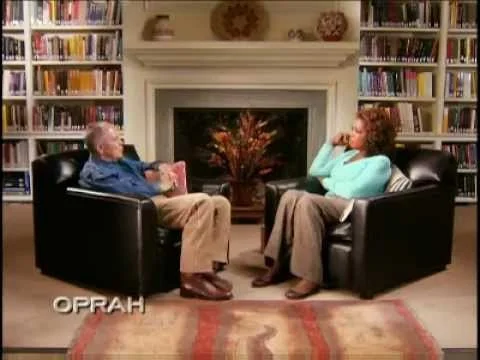
Cormac McCarthy didn’t do many interviews in his lifetime, and when he did, his answers were sometimes non-answers if he deemed the question uninteresting. It’s not a flattering quality. But in 2007 Oprah was able somehow to draw out of him a few thoughtful responses about how he writes and about The Road, itself. We’ll watch two short clips from a long interview.
Questions about the penultimate reading.
Homework:
(1) Read pages 251-287 of Cormac McCarthy’s The Road.
(2) Remember that during your next class you’ll take your second vocabulary and sentence composition quiz.
meeting 11: work day
In preparation for your next vocabulary and sentence composition quiz, we’ll practice identifying complex sentences, and you’ll have some time to build your definitions and sample sentences.
I’ll hand back your paragraphs today as well, and you’ll have time to type them up and make any revisions you want to make. Please print them out and bring them to our next class.
If you have time at the end of class, you will be able to start your next reading assignment.
Homework:
(1) Read pages 222-250 of Cormac McCarthy’s The Road. Jack will begin class with a passage.
(2) Continue preparing for your second vocabulary and sentence composition quiz.
(3) Finish revising your paragraph. Print it. Bring it to our next class.
meeting 10: writing day
meeting 9: the road, pages 190-221; composing paragraphs
When you come in today, you’ll find the desks in groups of three. Find the table with your name. You’ll have 30 minutes to work through the passage below and write a body paragraph as a group. You’re competing for bonus quiz points. Here is your topic sentence to get you started: In this passage from Cormac McCarthy’s The Road, the narrator suggests that small acts of care keep the coals glowing, keep the father and son’s humanity alive.
“They ate slowly out of bone china bowls, sitting at opposite sides of the table with a single candle burning between them. The pistol lying to hand like another dining implement. The warming house creaked and groaned. Like a thing being called out of long hibernation. The boy nodded over his bowl and his spoon clattered to the floor. The man rose and came around and carried him to the hearth and put him down in the sheets and covered him with the blankets. He must have gone back to the table because he woke in the night lying there with his face in his crossed arms. It was cold in the room and outside the wind was blowing. The windows rattled softly in their frames. The candle had burned out and the fire was down to coals. He rose and built back the fire and sat beside the boy and pulled the blankets over him and brushed back his filthy hair. I think maybe they are watching, he said. They are watching for a thing that even death cannot undo and if they do not see it they will turn away from us and they will not come back.”
Homework:
No new reading. We’ll pick it up next week.
EC Opportunity: Watch La Vita E Bella (Life is Beautiful) with your family or by yourself if your parents permit it. Watch it in Italian with subtitles. No dubbing. Come talk to me about it next week. What are the main connections you see between the movie and The Road?
meeting 8: the road, pages 161-189; composing paragraphs
Today we’ll begin with your first vocabulary and sentence composition quiz of the year. I’ll set the next quiz immediately after.
I’ve printed out the paragraph we wrote together as a class. Now let’s work through it to study its parts, using a color-coding system that I hope will allow you to visualize the development of the argument.
Finally, we will return to The Road. Here’s our focus for today: What’s different about the novel now that we couldn’t have said was true at the beginning? Does the narrative voice seem more or less optimistic than it did at the beginning? What has changed? Do the father and son have more hope now, or less? What evidence makes you say that? Is the father still in control? In what ways has his role changed? What does the boy understand now that he didn’t understand at the beginning? What does the father understand now that he didn’t understand at the beginning? Has the relationship between the father and son changed? If so, who seems to be changing? What possibilities has the novel opened up that didn’t seem possible at the beginning?
Ryan will finish our discussion with a passage.
Homework:
(1) Read pages 190-221 of Cormac McCarthy’s The Road. Ben will begin our discussion next class.
meeting 7: the road, pages 131-161; composing paragraphs
Like yesterday, today we’ll begin with Aarav’s question about or passage from the latest reading to begin a discussion of this past section.
After, you’ll continue working on the practice body paragraph you began last class. Remember the skills you’re practicing: maintaining a single idea, developing your claim with evidence and reasoning, and embedding evidence into your own thinking.
Homework:
(1) Prepare for your first vocabulary and sentence composition quiz. You’ll complete it at the beginning of our class on Monday.
(2) Read pages 161-189 of Cormac McCarthy’s The Road. Ryan will begin our discussion next class.
meeting 6: the road, pages 107-130; composing paragraphs
Today we’ll begin with George’s question about or passage from the latest reading to begin a discussion of this past section.
After, we’ll continue looking at the examples of body paragraphs we began last class. How do you maintain a single idea? How do you develop your point? How do you embed evidence into your own thinking?
Now look at the passage below. Attempt another topic sentence, and begin to develop the argument with a body paragraph like the ones we’ve looked at together.
“They scrabbled through the charred ruins of houses they would not have entered before. A corpse floating in the black water of a basement among the trash and rusting ductwork. He stood in a livingroom partly burned and opened to the sky. The waterbuckled boards sloping away into the yard. Soggy volumes in a bookcase. He took one down and opened and then put it back. Everything damp. Rotting. In a letter he found a candle. No way to light it. He put it into a pocket. He walked out in a gray light and stood and he saw for a brief moment the absolute truth of the world. Darkness implacable. The blind dogs of the sun in their running. The crushing black vacuum of the universe. And somewhere two hunted animals trembling like groundfoxes in their cover. Borrowed time and borrowed world and borrowed eyes with which to sorrow it.”
Homework:
(1) Read pages 131-161 of Cormac McCarthy’s The Road. Aarav will begin our discussion next class.
meeting 5: the road, pages 83-106; claim to paragraph
“Those Winter Sundays”
Before we return to a discussion of The Road, I’d like you to practice combining simple sentences into a single compound sentence, using this handout. Remember that your first vocabulary and sentence composition assignment will be at the beginning of next week.
The father tells the boy they are "the good guys" who "carry the fire." What does "carrying the fire" mean? What is the moral code the man and the boy try to maintain?
At the end of class, we’ll look at your topic sentences from last class and begin discussing how to build an argumentative body paragraph from that topic sentence. Here is the handout.
Homework:
(1) Read pages 107-130 of Cormac McCarthy’s The Road. George will begin our discussion next class.
meeting 4: the road, pages 59-82; building a claim
At the beginning of class, we’ll take the SJ20 Diagnostic, something all SJ students do once each year. This is not for a grade; it’s only for us to track student progress across your time here.
I asked you to bring to class today a paragraph that has made you stop and think, even briefly. I have one, too, and we’ll start with that one. It starts on page 11 and continues onto 12. Let’s read it, think about it broadly, dive into even more deeply, and develop a claim about it. Recall from last year and from the first day of class this year that a claim starts with an observation and logically develops into an insight.
Here is the handout we’ll use during class.
We’ll finish the week with “Those Winter Sundays.”
Homework:
(1) Read pages 83-106 of Cormac McCarthy’s The Road.
meeting 3: the road, pages 35-58
First, a quiz.
Next, a passage. The novel’s first truly terrifying moment.
Then, the quiz again.
We’ll finish with “Those Winter Sundays.” I still have my part memorized.
Homework:
(1) Read pages 59-82 of Cormac McCarthy’s The Road. Go back through the novel, pages 1-82. Mark and have ready for discussion a paragraph that has made you stop and think, even briefly.
(2) Begin finding definitions for your first list of vocabulary words.
meeting 2: the road, pages 3-34
Today we’ll begin with “Those Winter Sundays.” What have you learned about the poem since our last reading?
I asked you to familiarize yourself with the course webpage and the course policies page. What questions do you have? Let me clarify a few of the points on the policies page.
Our main work for today pertains to the beginning of our first novel of the year, Cormac McCarthy’s The Road. You’ll need your notebook and your copy of the novel. I’ll have guided notes for you on the board: Who was Cormac McCarthy? What is this novel’s genre? What questions does the book ask? How should you read it? What’s odd about this novel compared to others that you’ve read? What odd about the writing itself?
Let’s turn to the novel. I’ll be recording this part of the class. My goal is for everyone to contribute something.
Last class we differentiated observation and association. What did you observe? What did your brain associate? What details have stayed with you? What do you most clearly remember? Why do you think that is?
We can study the first sentence, the first paragraph, and the first few scenes.
Homework:
(1) Read pages 35-58 of Cormac McCarthy’s The Road.
meeting 1: welcome
Welcome, boys.
We’ll begin today with an exercise designed to illustrate the difference between observation and interpretation, that which you see and that which your brain associates with what you see. We’ll start with two images:
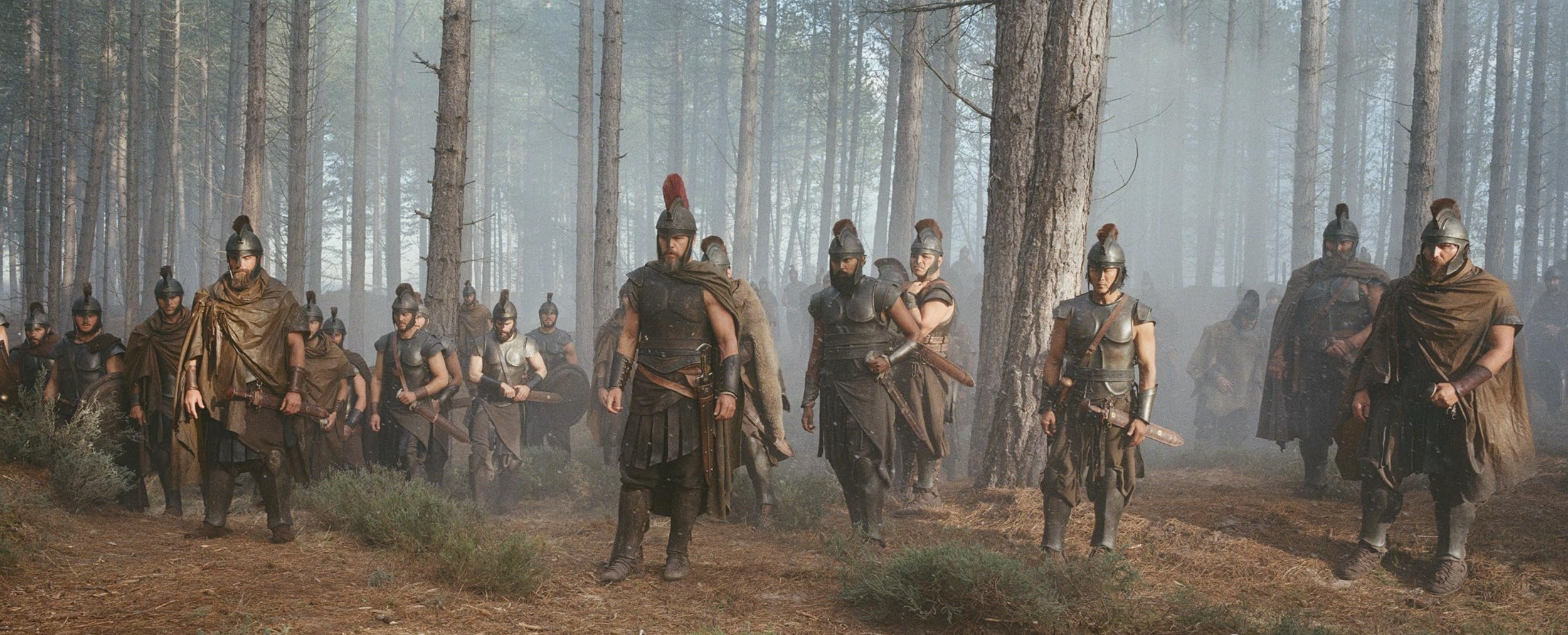
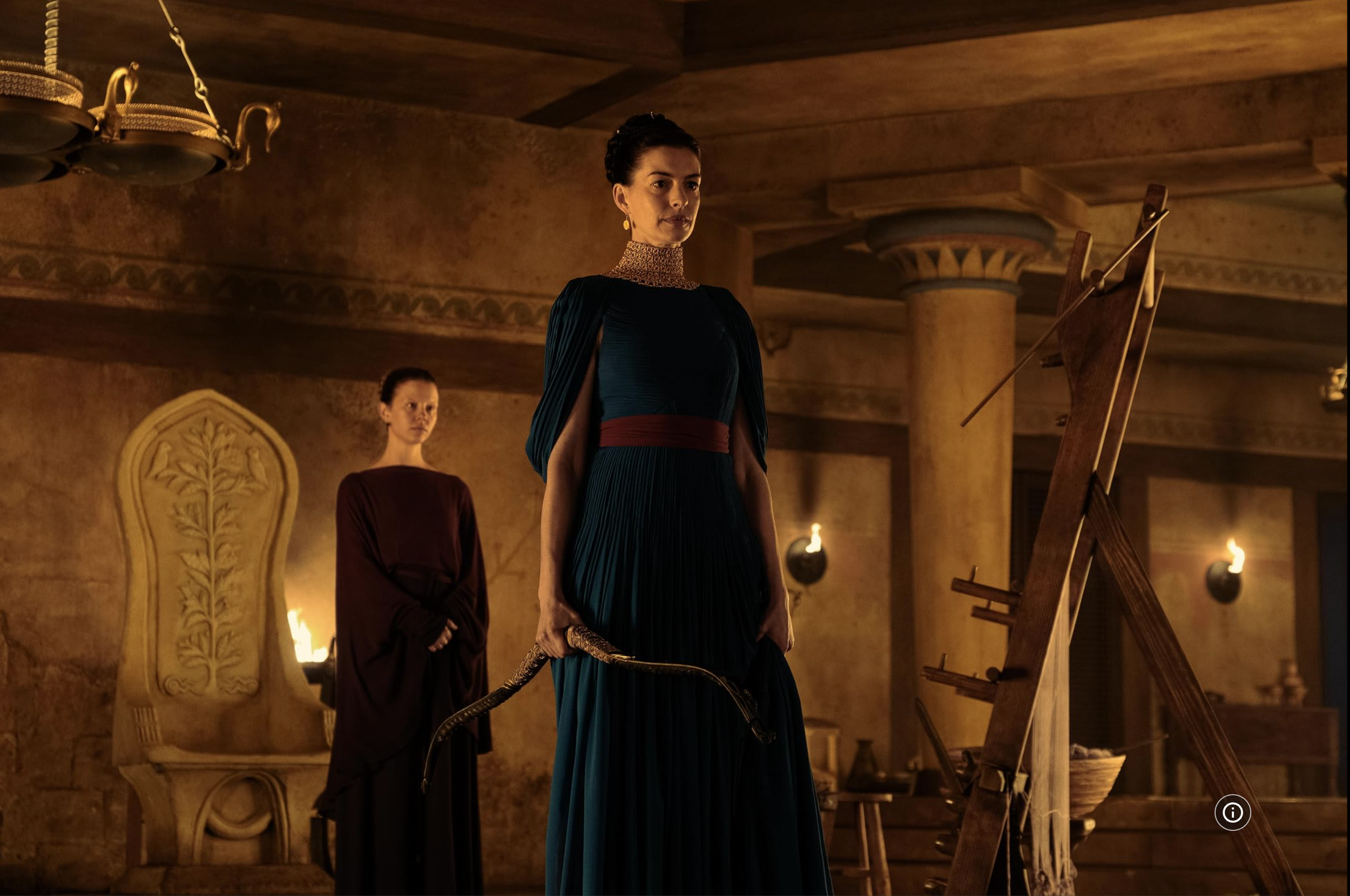
Let’s try the same exercise with a different medium, words. Around the room you’ll see a series of phrases. Most of those phrases contain concrete nouns. I’ll give you instruction for what I’d like you to do with those concrete nouns. Remind us: What is the difference between concrete and abstract?
Those phrases are not random, you probably will not be surprised to find out. They’re a part of the most anthologized American poem ever, Robert Hayden’s Those Winter Sundays. We’ll read it together now. Then you’ll take it home to memorize a small portion of it.
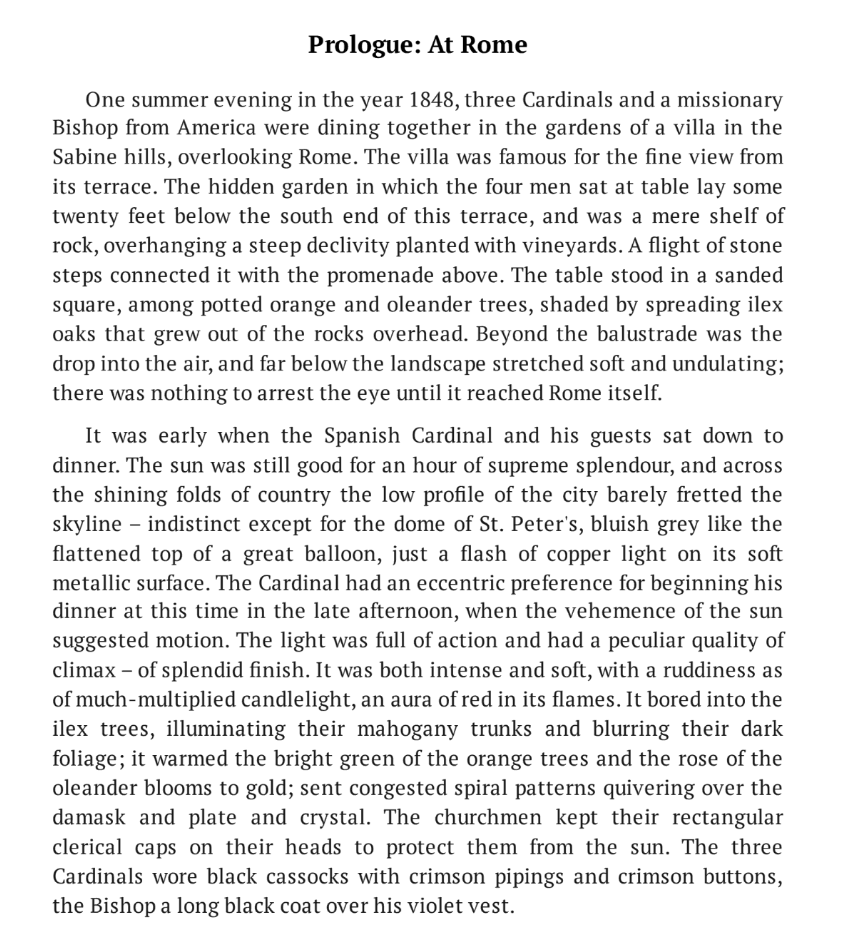
If we have time at the end, we can try this same exercise with a longer passage from Death Comes for the Archbishop.
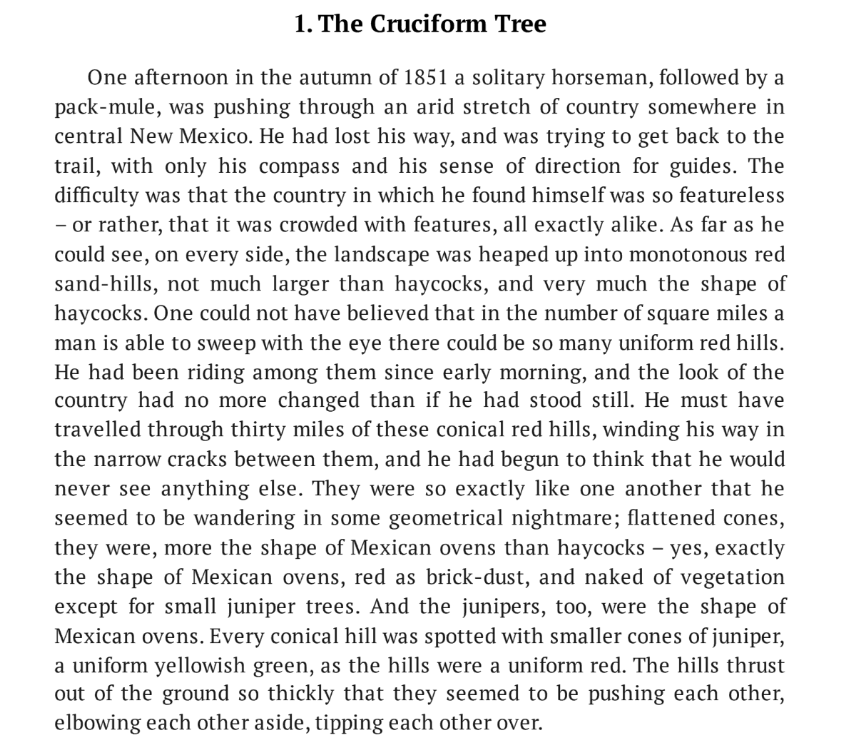
Homework:
(1) Familiarize yourself with the course website—this page, the Policies page, and the Writing Center.
(2) Sign up for a time slot to discuss the summer reading.
(3) Memorize your assigned portion of “Those Winter Sundays.”
(4) Read pages 3-34 of Cormac McCarthy’s The Road, our first novel of the year. Take your time. Read with a pen in hand if you’d like. Keep any annotations simple for now: Who do we meet? Where are they? What’s going on? Are you interested? In what?
If for some reason your book has not yet arrived, you may just this once print and read this PDF of the first pages. Semper paratus, boys.
due dates
CURRENT TEXT TO HAVE DAILY


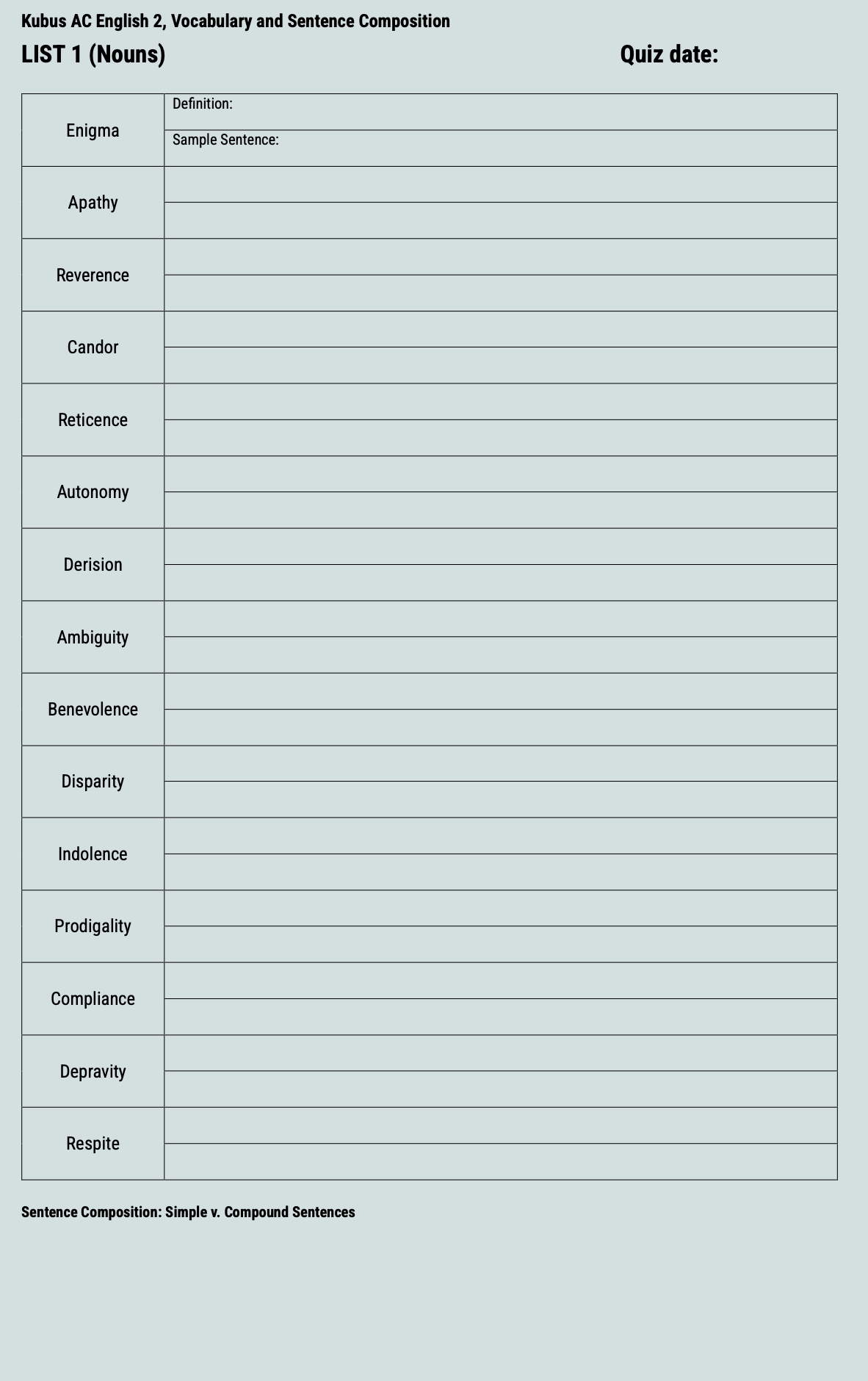
vocabulary and sentence composition
american poems we’ll memorize
what we’re reading this year